Read State Senator Blessing's Full Letter Below
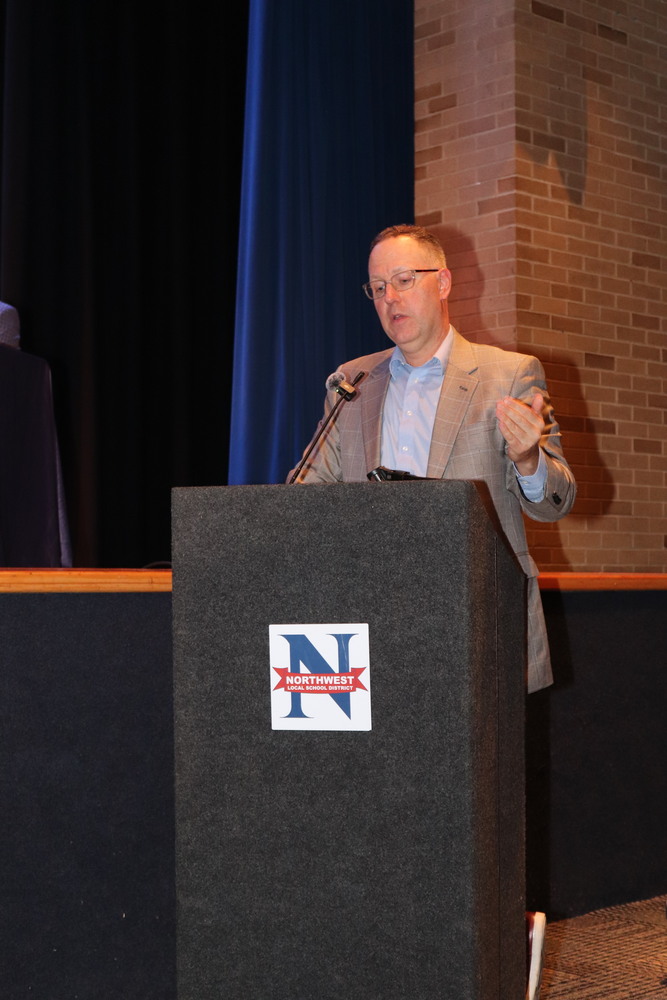
You can also watch his full speech at NWLSD's 9/28/26 Board Meeting here: https://youtu.be/lgabgEOYL-0?t=1403
I’m writing to you today as a show of support for your decision to put Issue 6 on the ballot, as well as give my perspective on the matter, both as a resident of NWLSD and as someone who represents the district at the state level. I also know you’ll be hearing from a lot of people, so I’ll endeavor to make this brief.
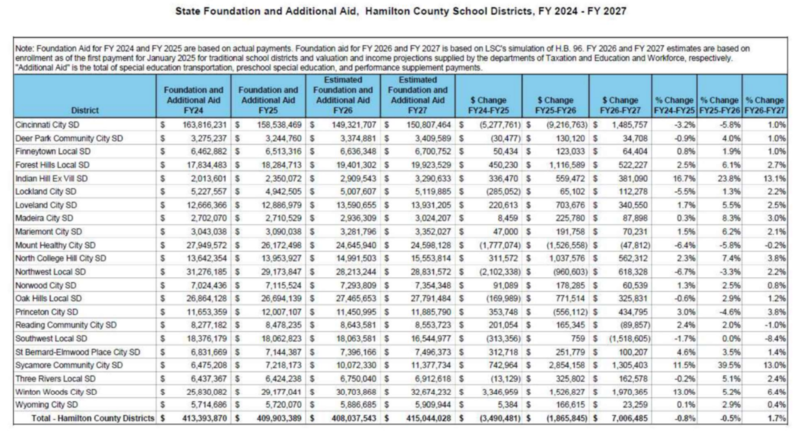
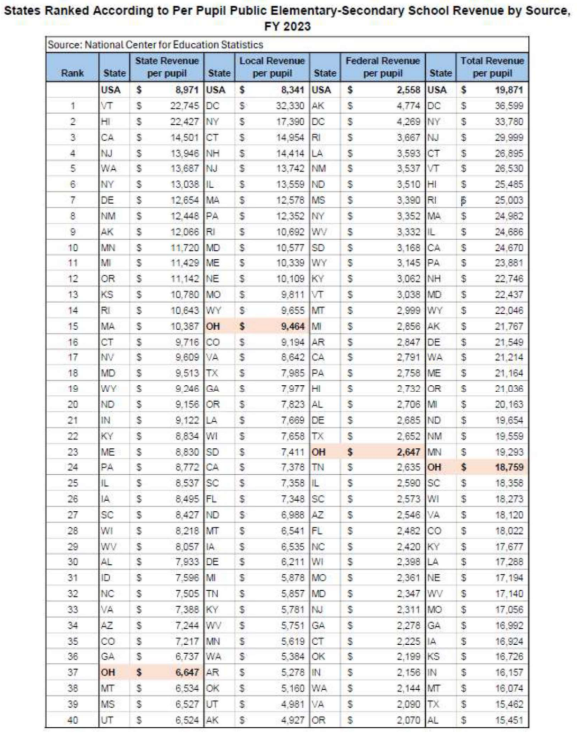
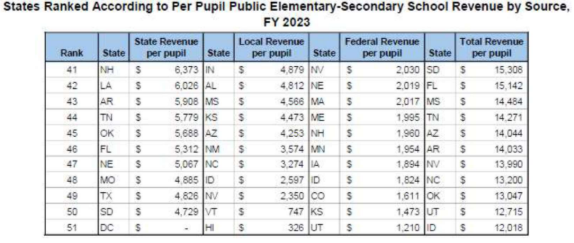
Attached to this letter are some statistics that disaggregate public education funding on a per-pupil basis at the local, state, and federal levels. I had this research completed by LSC back in the spring of 2025 to inform my decision regarding the state operating budget. As you can see, simply right-sizing state level funding would very likely lead to a shift over time, with the state- level ranking increasing and the local level decreasing. This is actually a good thing, as it brings the state/local funding split into better balance and avoids districts constantly going to the ballot.
Though I prefer property taxation over earned income taxation in a vacuum, the decision to levy an earned income tax is a wise decision for NWLSD. The biggest reason is the tax reduction factors in our Constitution. However, this was tightened further through a raft of bills passed in November of 2025: HB 129, HB 186, HB 309, and HB 335. The net effect in terms of philosophy is that local governments should have to go to the ballot more often and cannot count on real-estate inflation to generate revenue.
Earned income levies have no such hang-up, and as you earn more you pay more. NWLSD will likely see an improvement in its bond rating due to this revenue stream, as it will not require the district to go to the ballot as often. This means lower borrowing costs for capital improvements, and less waste on levy campaigns.
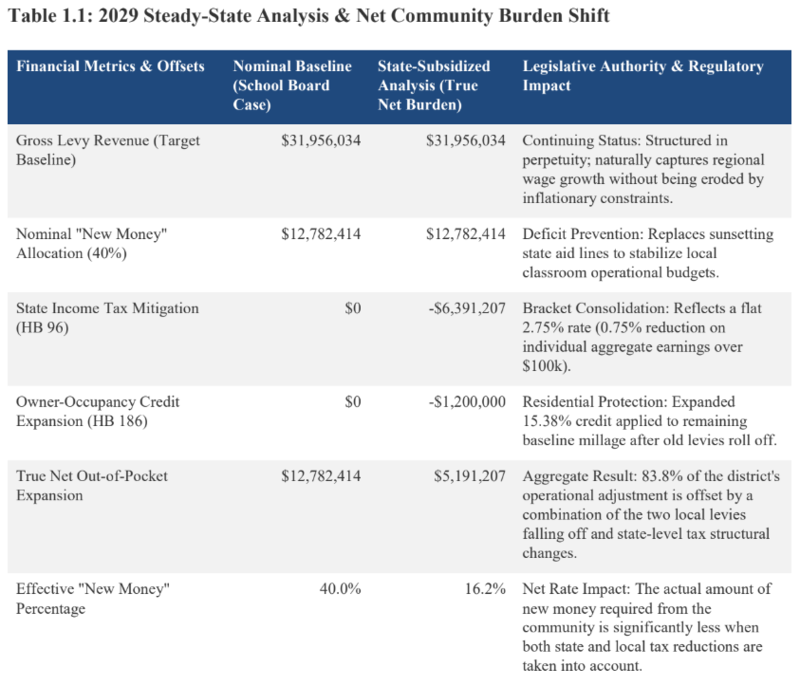
I also included some research that hopefully helps voters understand that this is even less new money than 40%. It’s actually about 16% when you factor in state level tax cuts through two specific mechanisms: the flat 2.75% income tax rate under HB 96 and the non-business credit reform in HB 186. Admittedly, I still would have preferred the Fair School Funding Plan over the flat tax, hence my vote, but let’s remember that in the aggregate this will matter a great deal for NWLSD voters.
In conclusion, the best course of action for NWLSD is to simply pass this levy and then advocate for the entirety of the Fair School Funding Plan to be implemented in the upcoming operating budget. For now, this helps NWLSD avoid damaging cuts and allows for breathing room as well as future options. For example, the board could actually go to the ballot to reduce the earned income tax levy if the state were to significantly increase funding through enacting the entirety of the Fair School Funding Plan. Overall, I feel comfortable with this course of action as a local taxpayer, and I thank the board for their hard work on this matter.
Sincerely,
Louis William “Bill” Blessing III